
AI Upskilling for Teams: Build Two-Person Skill Coverage
AI upskilling for teams becomes resilient when every priority work task has a primary practitioner, a practice partner and shared evidence.
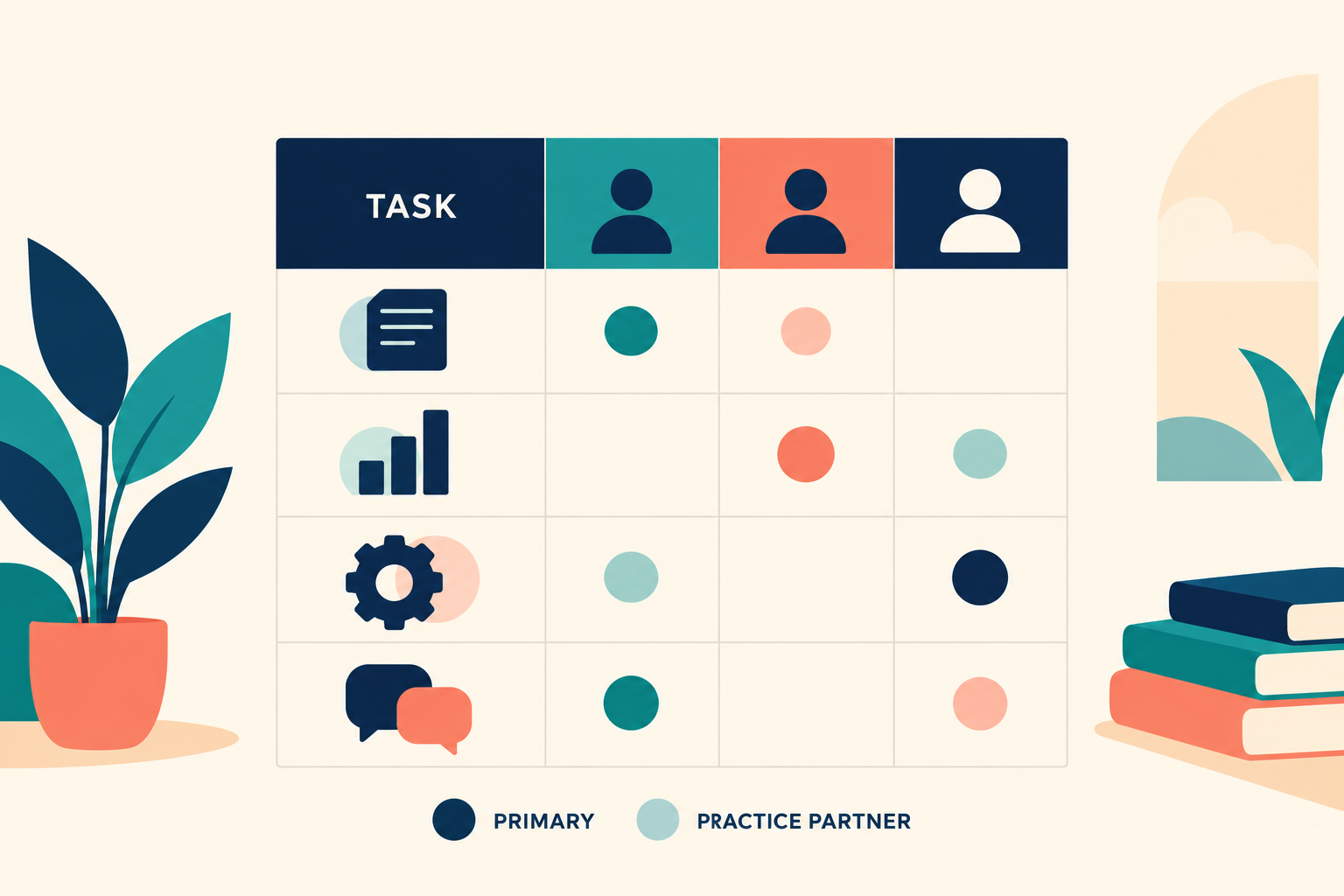
AI upskilling for teams often creates one visible expert: the person who attended every session, tried every tool and now answers every question. That looks like progress until the expert is absent, changes role or becomes a bottleneck. A team capability should survive one person’s calendar. The practical fix is two-person skill coverage: every priority AI work task has a primary practitioner and a practice partner who can perform the task, review it and take over safely.
This is not generic cross-training. Start with real tasks, define observable behaviour and give the second person repeated practice. The result is a coverage map that shows where learning has become operational resilience—and where it is still private knowledge.
A course completion is individual. Coverage is organisational.
If only one person can perform and check an AI-assisted task, the team has a learner—not yet a capability.
Why AI upskilling for teams needs coverage
The European Commission’s AI-literacy guidance says organisations should adapt learning to people’s knowledge, the system’s risks and the context in which it is used. OPM’s training guidance similarly starts with required performance, critical behaviours and the gap between current and desired performance. Both ideas point away from counting content consumed and toward asking who can do which task under real conditions.
Two-person coverage also creates a useful review relationship. The primary is responsible for current performance. The practice partner provides a second set of eyes, learns the exceptions and can step in. NIST’s Govern playbook stresses clear roles, responsibilities and chains of command; the same clarity improves everyday AI work even when the use case is not high-risk.
| Single-expert model | Two-person coverage | |
|---|---|---|
| Availability | Work waits for one person | A trained partner can step in |
| Review | Expert checks their own method | Partner can challenge and verify |
| Learning | Tips stay in private habits | Method becomes shared practice |
| Change | Tool updates surprise the team | Two people test and update the method |
Build a task-by-coverage matrix
The four fields
Priority task
Name a concrete deliverable, such as drafting a customer reply from approved sources—not a broad skill such as prompting.
Primary
The person who currently performs the task and maintains the working method.
Practice partner
A second person who has completed the same task and can review or take over.
Evidence
A dated work sample, review record or observed rehearsal showing both people can meet the same acceptance test.
Limit the first map to five or six tasks that matter to service, revenue, compliance or team flow. A giant skills inventory becomes administrative work. A small coverage map creates decisions: where should the next ten minutes of practice go, and which task still has a single point of failure?
Reading is a start. Practice makes it stick.
Start learningWorked example: customer-response triage
A support team uses AI to draft replies for routine delivery questions. Sam built the prompt, knows the approved policy sources and catches invented promises. Everyone else forwards difficult cases to Sam. The skill exists, but the team has no coverage.
Create the second line of capability
- 1
Define the task
Draft a response using only the current delivery policy, flag missing facts and route refund decisions to a human.
- 2
Write one acceptance test
The reply must cite the correct policy section, make no unsupported promise and identify the escalation path.
- 3
Pair the practice
Sam demonstrates one case; Noor completes a different case while Sam observes without taking over.
- 4
Test the handover
On a third case, Noor performs the task independently and Sam reviews against the same acceptance test.
- 5
Record coverage
Mark Noor as practice partner only when the work sample passes; add a date for the next rehearsal.
The worked example matters because it separates familiarity from coverage. Watching Sam is not evidence. Editing Sam’s output is useful, but it tests reviewing rather than performing. The independent case proves that the method can move between people.
Use the matrix to plan practice
Review the map monthly or when a tool, policy or role changes. Prioritise red rows with only one practitioner, then amber rows where the partner’s evidence is stale. Keep green for tasks with two current practitioners and a shared acceptance test. Do not turn the colours into performance ratings; they describe team coverage, not personal worth.
This method fits naturally with a weekly calibration clinic, a manager practice loop, and a busy-day rehearsal. HR and L&D leaders can use Bokili’s practical AI training for teams to give each partner short, role-adapted practice while keeping participation and learning progress visible.
- List the three AI-assisted tasks your team would notice first if they stopped.
- Name the current primary for each task.
- Name a practice partner only if they have completed the task independently.
- Add one acceptance test and one evidence date per row.
- Choose the first uncovered task for the next paired practice session.
Measure resilience, not attendance
Track the share of priority tasks with two current practitioners and one shared acceptance test. A useful secondary measure is handover success: can the practice partner complete a fresh case without coaching? These measures stay close to work and reveal whether AI learning can survive absence, workload peaks and role changes. The aim is not to make everyone an expert. It is to ensure that useful AI practice belongs to the team.
Sources
- AI Literacy - Questions & Answers — European Commission
- Planning & Evaluating — U.S. Office of Personnel Management
- AI RMF Playbook — Govern — NIST
- AI training for HR & L&D leaders — Bokili
Reading is a start. Practice makes it stick.
Bokili turns skills like this into ten-minute missions for your whole team, with instant feedback and progress you can see.
Start learningKeep reading
AI Meeting Notes Need a Commitment Check
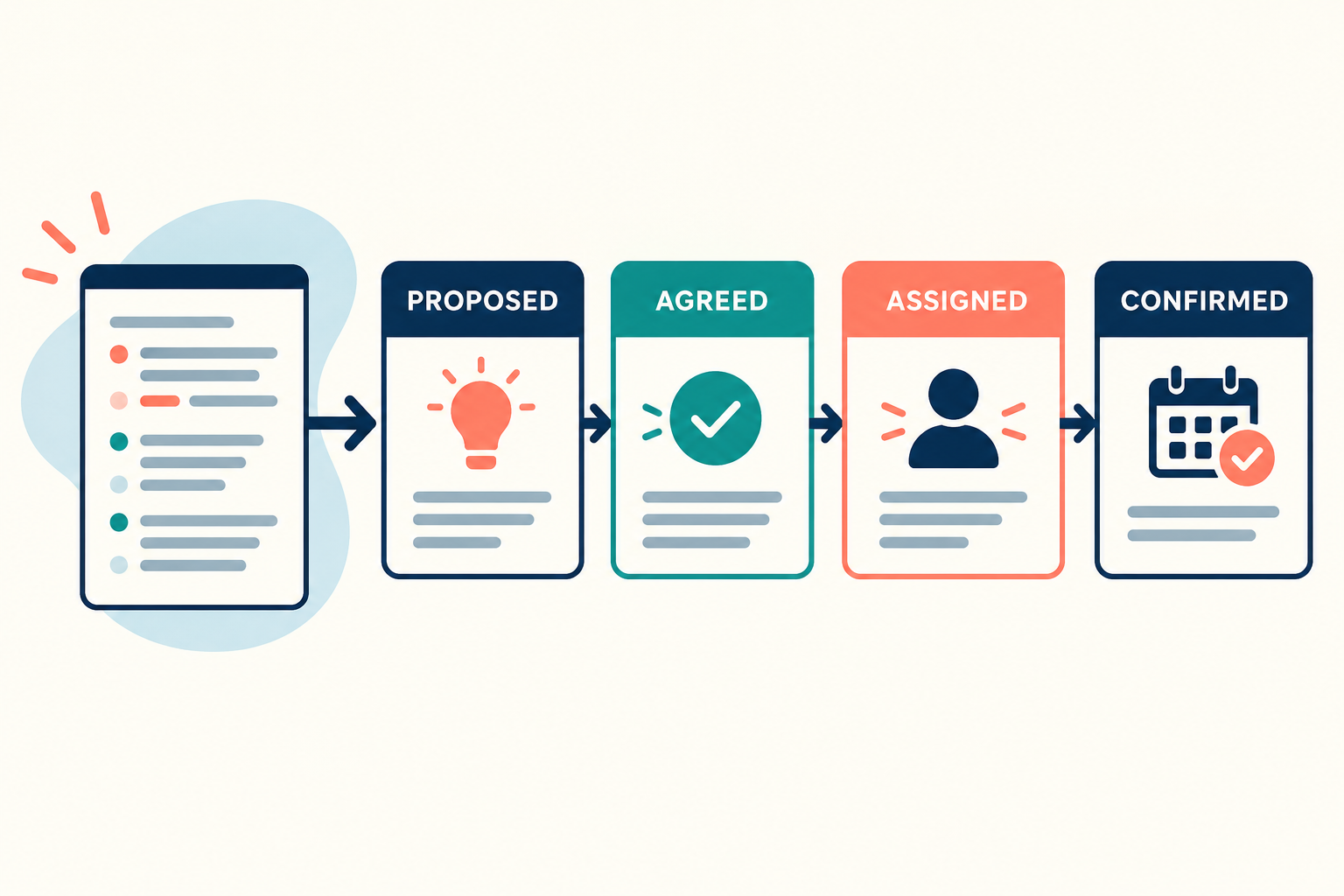
AI-generated action items are drafts. Use four commitment states to stop suggestions, assignments and dates becoming promises nobody made.
AI Training Platform for Companies: Run an Exit Drill Before You Buy
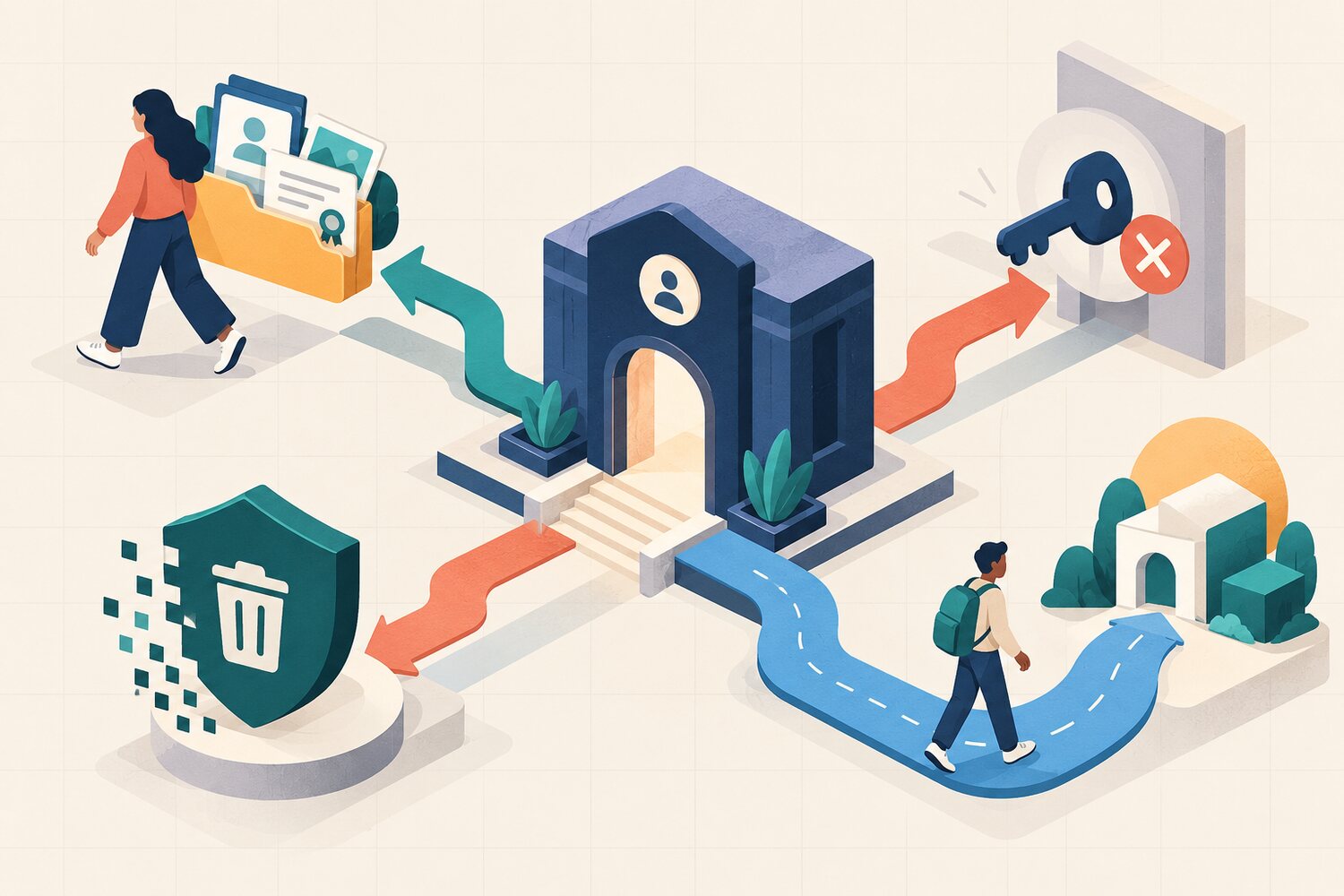
Before buying an AI training platform for companies, test usable exports, access removal, data handling and learning continuity—not just onboarding.
Before You Accept an AI Conclusion, Write Its Reversal Test
A persuasive AI answer can trap reviewers in confirmation. Use the TURN card to name the evidence that would change the conclusion before you accept it.