
AI Learning and Development: Run a Delayed Transfer Check
Use the TRACE method to check whether an AI skill reached real work, what evidence exists and which barrier or next practice needs attention.
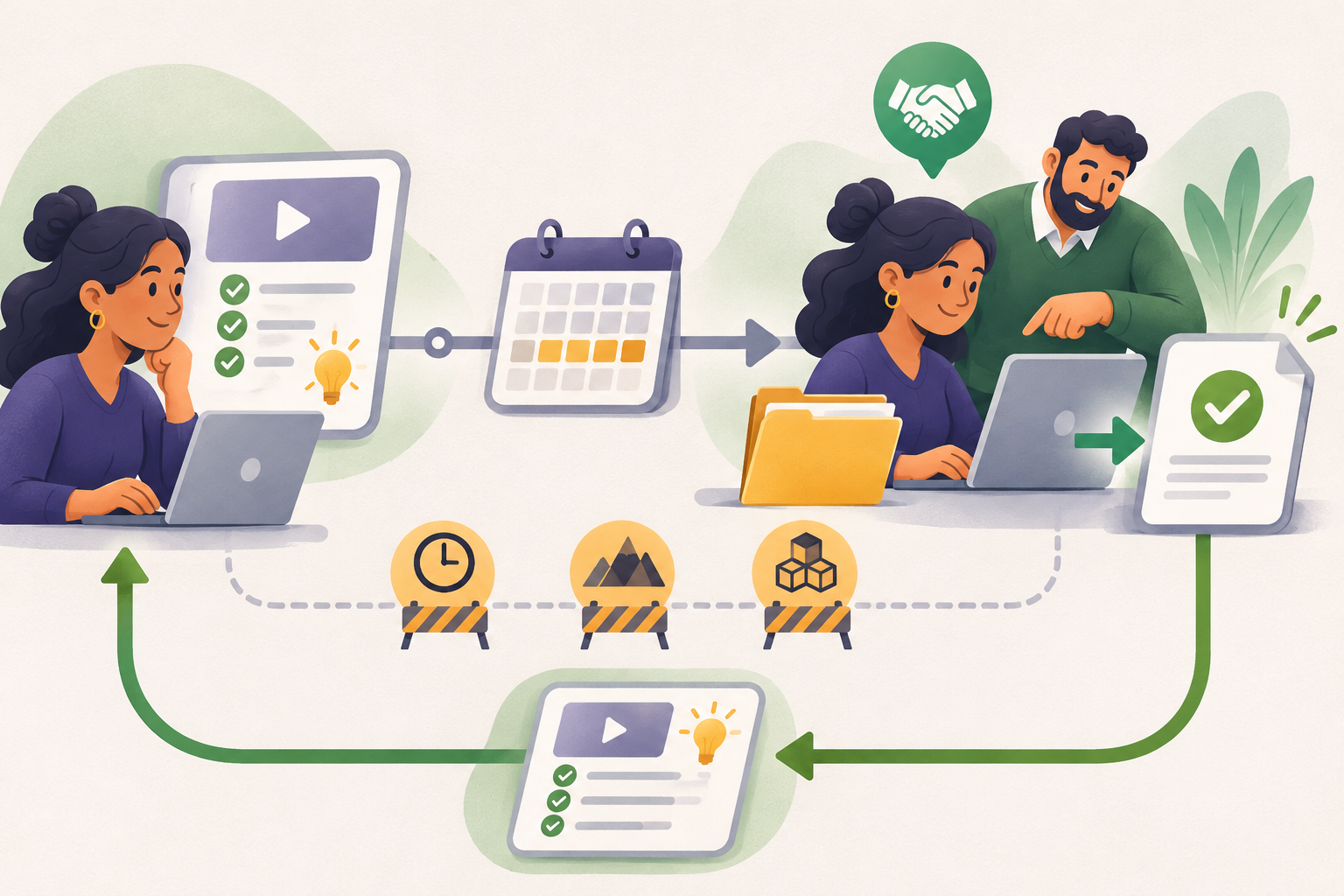
AI learning and development often measures what is easiest to collect: completion, satisfaction and an immediate quiz. Those signals describe the learning event. They do not show whether a person later recognised the right work moment, used the skill safely and produced a useful result.
A delayed transfer check closes that gap. After learners have had a fair chance to apply one skill, ask for a small piece of evidence from real work or a safe simulation. Then separate a skill problem from a missing opportunity, unclear permission, lack of time or weak manager support.
Why AI learning and development needs a delayed check
The US Centers for Disease Control and Prevention distinguishes learning from learning transfer. Its guidance says immediate post-course evaluations cannot objectively assess transfer, while delayed follow-up is the best way to see whether learners retained and applied learning at work.
Skills England’s current employer guide makes a similar practical point for AI: effective training links to real tasks and decisions, gives people repeat practice, plans follow-up review and monitors whether training improves the quality of use and decision-making.
Use the TRACE transfer check
TRACE: evidence of later workplace use
Time the window
Choose a follow-up point after a realistic opportunity to use the skill, not an arbitrary fixed delay.
Request an artefact
Ask for a non-sensitive work output, decision receipt or safe reconstruction that shows the behaviour.
Assess one criterion
Check the single behaviour taught, using the same standard learners saw during practice.
Capture conditions
Record what enabled or blocked use: opportunity, permission, time, tools, confidence or manager support.
Extend the practice
Assign one next rehearsal, job aid or workflow change instead of treating the check as a final grade.
TRACE is deliberately small. It does not try to prove that training caused every business result. It asks a narrower question: did the target behaviour appear later in relevant work, and what should happen next?
Worked example: summarising a customer case
Suppose employees practised turning a long customer case into a short brief with source references, open questions and a human decision. An immediate quiz can test whether they remember the steps. A delayed check asks whether they used those steps when a suitable case appeared.
Reading is a start. Practice makes it stick.
Start learning| Immediate signal | Delayed transfer evidence | |
|---|---|---|
| Completion | The learner finished the activity. | The learner later recognised an appropriate case. |
| Knowledge | The learner can name the review steps. | A work artefact shows the steps were used. |
| Confidence | The learner expects to use the method. | The learner reports what enabled or blocked actual use. |
| Quality | A practice answer meets the rubric. | A later output or safe reconstruction meets the same criterion. |
Two weeks later, ask for one redacted brief or a reconstruction using a fictional case. Check only the promised behaviour: are claims tied to the source, are open questions visible, and is the final decision still human? If no suitable case occurred, record “no opportunity” rather than “skill failed”.
Do not turn follow-up into surveillance
Use the minimum evidence needed. Do not collect customer data, private prompts or confidential documents merely to prove that training worked. Let employees reconstruct the task with safe material when the original cannot be shared. Report patterns at programme level and keep individual support separate from punitive performance management.
AI literacy is contextual, not one universal score
The European Commission says AI-literacy measures should reflect people’s knowledge, experience and the context and risk of the systems they use. It does not require organisations to guarantee or certify a specific literacy level for every person.
Read the result before changing the course
Interpret the transfer check
- Used well: preserve the method and collect a safe example.
- Used with errors: assign one focused correction and retest.
- Attempted but blocked: fix access, permission, time or workflow support.
- No opportunity yet: extend the window or provide a realistic simulation.
- Not relevant to the role: change the audience or the task.
- Unsafe evidence request: reduce or reconstruct the artefact.
Run one check in ten minutes
- Choose one behaviour from a completed AI lesson.
- Name the real work moment in which it should appear.
- Set a follow-up window based on the opportunity to use it.
- Define one safe artefact or reconstruction.
- Reuse one visible assessment criterion.
- List three possible barriers and one follow-up action for each.
Measure the path from practice to work
AI learning and development becomes more useful when evaluation arrives after the learner has returned to work. Use TRACE to find evidence, barriers and the next practice need without overclaiming causation. Pair it with Bokili’s guides to adding a transfer cue, using a teach-back test and rehearsing the busy-day version. Bokili’s short, role-based missions can make that follow-up specific enough to act on.
Sources
- Evaluate Training: Measuring Effectiveness — US Centers for Disease Control and Prevention
- Evaluate Training: Building an Evaluation Plan — US Centers for Disease Control and Prevention
- Employer guide: What works for AI upskilling in the UK — Skills England
- AI Literacy — Questions & Answers — European Commission
- AI training for HR & L&D leaders — Bokili
Reading is a start. Practice makes it stick.
Bokili turns skills like this into ten-minute missions for your whole team, with instant feedback and progress you can see.
Start learningKeep reading
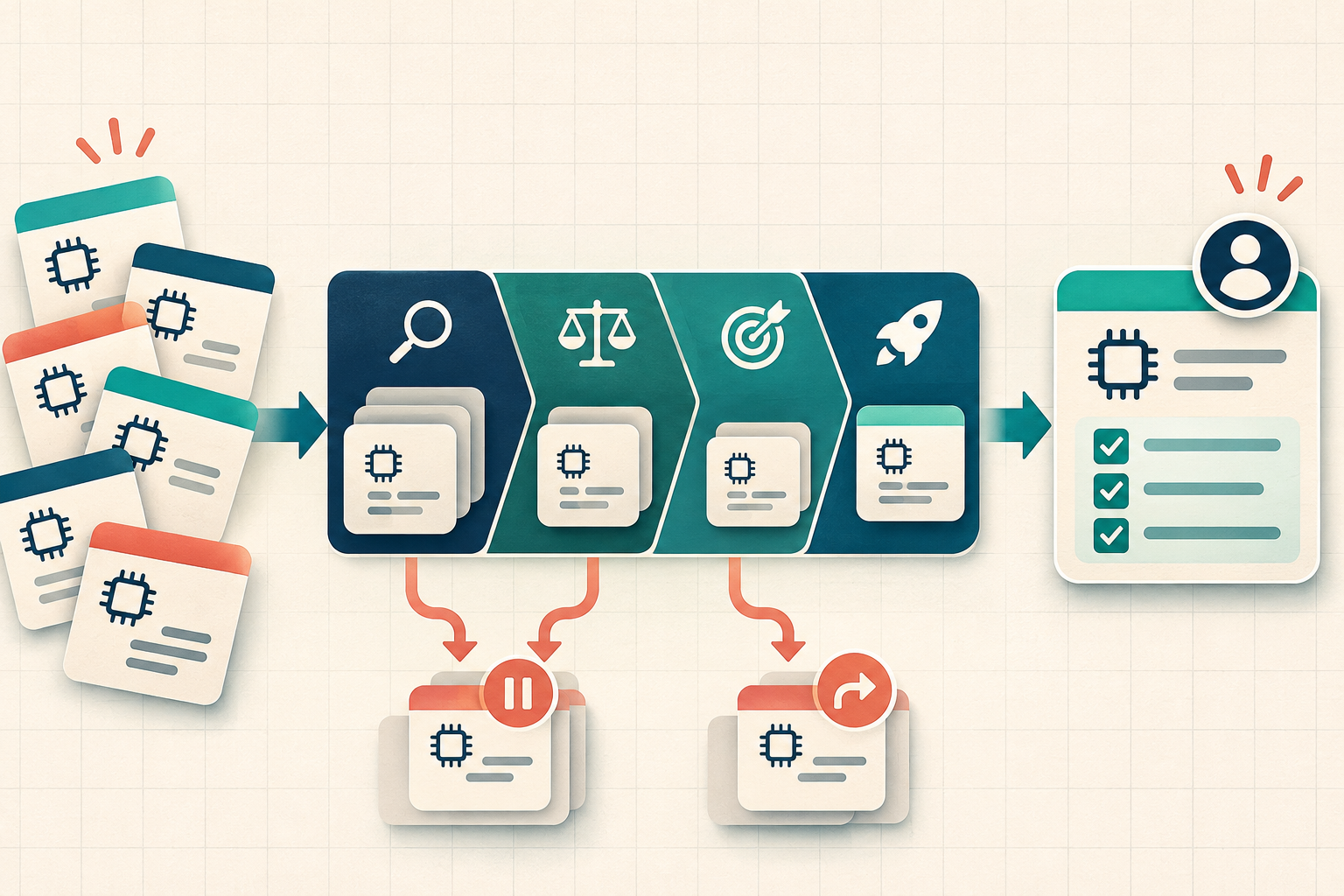
Turn AI Ideas Into a Governed Use-Case Queue
Use the QUEUE method to compare AI ideas by work need, simpler alternatives, consequence, evidence and accountable ownership before a pilot starts.

AI Skills for Employees: Turn Rough Notes Into a Testable SOP
AI skills for employees should include the PATH method: structure rough process notes, dry-run the normal path and expose exceptions before release.
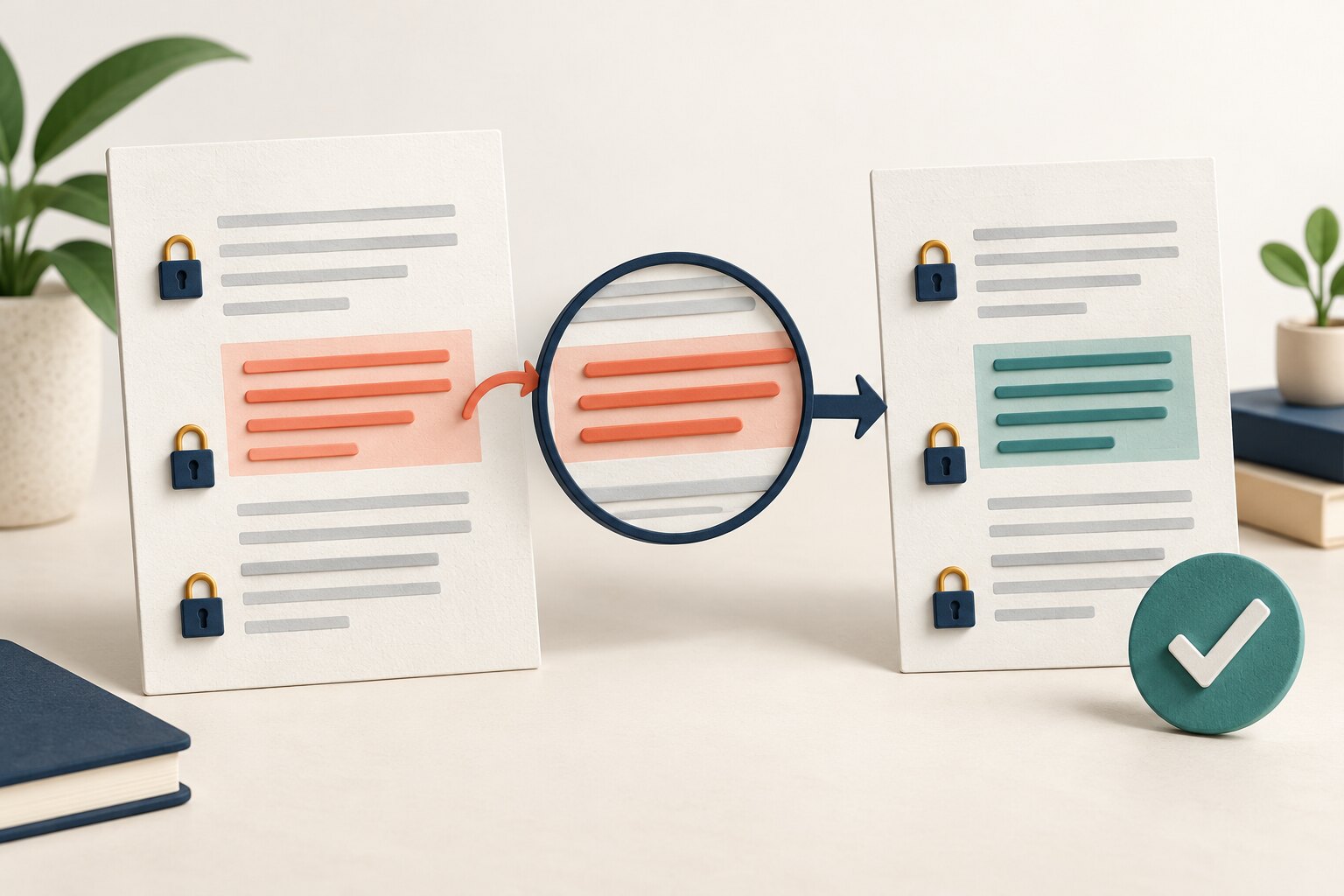
Use ChatGPT for Word to Revise One Section Without Losing the Facts
Use the LOCK method to change one selected passage while protecting the facts, figures, defined terms and recommendations that must stay fixed.