AI Training Platform for Companies: Test the Feedback
An AI training platform for companies should do more than mark an answer wrong. Test whether feedback helps employees find the gap, revise and transfer the skill.
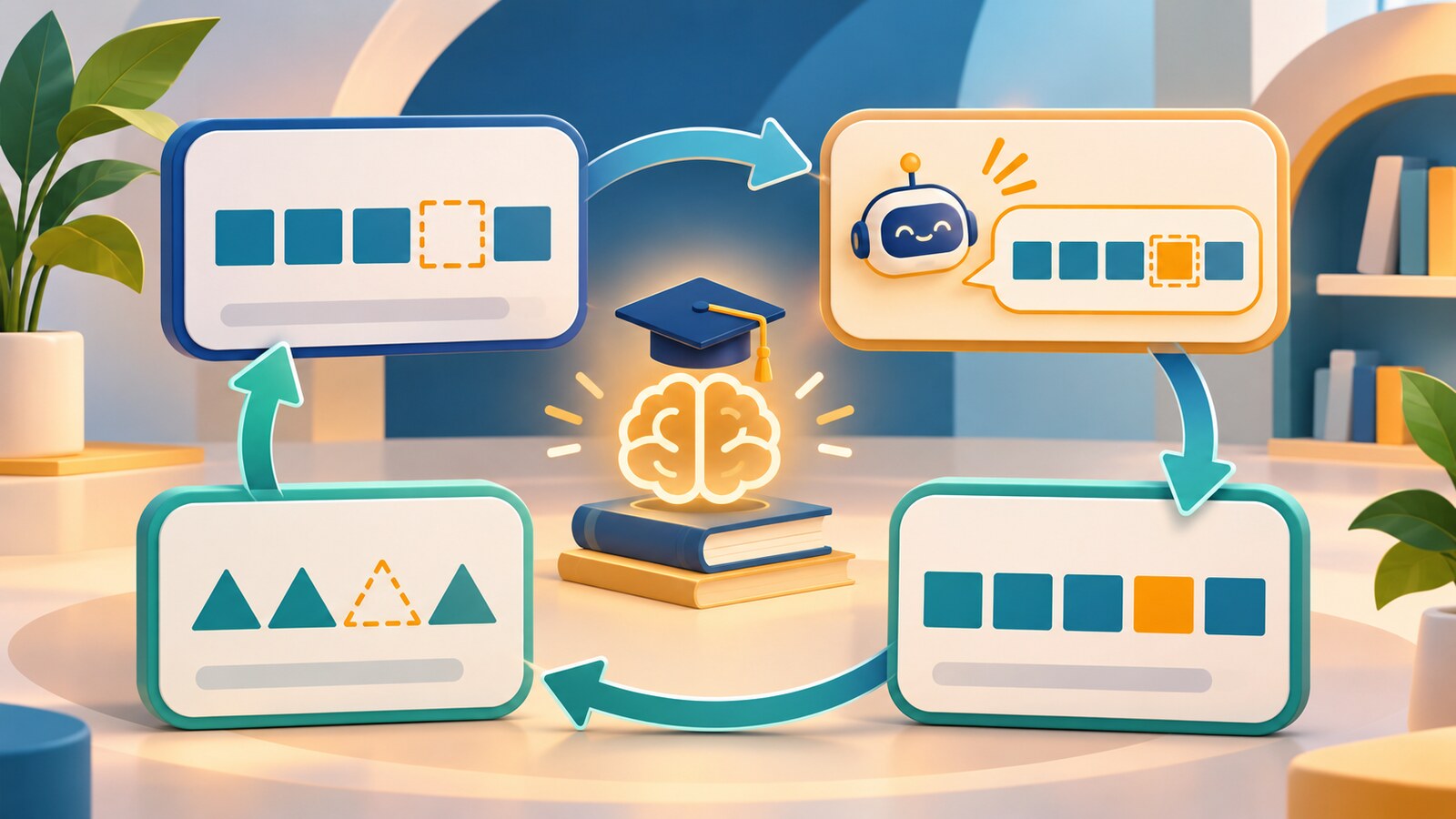
An AI training platform for companies can deliver a polished lesson, an instant result and a progress dashboard while still leaving the learner unsure what to do next. The buying question is not only whether feedback appears. It is whether the feedback helps an employee locate a specific gap, improve the work and apply the skill to a fresh case.
That distinction matters because workplace AI skills are demonstrated through action. A learner may produce a fluent answer that misses a source, exposes restricted data or crosses a decision boundary. A useful platform should connect the observed error to the work standard, give the learner a manageable next action and make another attempt possible.
Why an AI training platform for companies needs a feedback test
The National Academies’ How People Learn II describes effective feedback as focused on the task and learning target, detailed rather than merely evaluative, timely enough to support change and connected to revision. The U.S. Institute of Education Sciences likewise recommends technology that provides timely, targeted feedback. Those principles give buyers a practical test: follow one wrong answer all the way to better performance.
TRACE: test the full feedback loop
Target
The feedback names the exact task criterion that was missed, not only a score or generic warning.
Reason
It explains why the gap matters for the intended work, audience, evidence or safety boundary.
Action
It gives a clear corrective move without completing the task for the learner.
Correction
The learner can revise and resubmit the same work while the original gap remains visible.
Extension
A fresh, comparable case checks whether the learner can transfer the behaviour without copying the first answer.
TRACE is deliberately narrower than a full platform scorecard. It examines one learning mechanism in depth. A platform may offer excellent content, administration and reporting; this test asks whether its feedback loop actually changes what the learner can do.
Worked example: a project update with a missing owner
Imagine a fictional employee practising how to turn approved project notes into a five-line decision update. The task requires one decision, two open risks, and an owner and due date for every next action. The learner’s draft is clear but assigns no owner to the second action. The source notes name Priya as the owner.
Weak feedback says “Incomplete — try again” or awards four out of five. The learner knows something is wrong but not which standard failed. Over-helpful feedback simply inserts Priya’s name, producing a correct answer without requiring the learner to inspect the notes. Useful feedback points to the acceptance rule, asks the learner to trace both actions to the source and keeps the correction in the learner’s hands.
| Surface feedback | Learning feedback | |
|---|---|---|
| Target | “Almost correct” | “Action two has no owner; the brief requires one for every action” |
| Evidence | No link to the work standard | Points to the acceptance rule and source notes |
| Next move | Guess and resubmit | Check both actions, then revise the missing field |
| Ownership | System supplies the final answer | Learner makes and explains the correction |
| Transfer | Lesson ends after one fix | Fresh case tests the same behaviour with different notes |
Reading is a start. Practice makes it stick.
Start learningAsk to see the second attempt, not only the first result
A vendor demo often shows the happy path: complete a task, receive a message, move to the next lesson. Ask the provider to configure a representative failure instead. Choose one behaviour that matters to your organisation—such as tracing a claim, protecting an input, preserving a constraint or routing a decision—and submit an answer that misses it.
Then observe the whole loop. Can the learner understand the gap in plain language? Does the feedback identify the relevant source or criterion? Can the learner correct the work without losing the first attempt? Does the platform distinguish a harmless style choice from a material failure? Finally, can it present a new example that requires the same judgement rather than the same wording?
Feedback-demo questions
- What exact learner behaviour is this feedback trying to change?
- Which task criterion or source supports the feedback?
- Does the message explain the gap without doing the work?
- Can the learner revise and resubmit immediately?
- Can a manager or coach see the attempt, feedback and correction without opening unnecessary raw data?
- Does a fresh case test transfer rather than recall?
- What programme action follows repeated difficulty?
Use the feedback evidence in the buying decision
Do not collapse the result into “feedback: yes”. Record whether the platform identifies the right gap, supports a useful correction and produces evidence a learner or coach can act on. Also inspect the data involved. Practice inputs, generated work, feedback and retry history may be learner records, so access, retention and reporting rules still matter.
Use Bokili’s corporate AI training buyer scorecard for broad requirements: https://bokili.com/en/learn/corporate-ai-training-buyer-scorecard. Run the admin-day test to expose support and operating work: https://bokili.com/en/learn/ai-training-platform-companies-admin-day-test. Use the pre-launch checklist after selection: https://bokili.com/en/learn/ai-training-platform-companies-prelaunch-checklist. Bokili’s HR and L&D offer is described at https://bokili.com/en/for-hr.
- Choose one realistic, low-risk task and write a single observable acceptance rule.
- Create a fictional answer that breaks only that rule.
- Submit it in the platform and capture the feedback without changing the task.
- Score the response against Target, Reason, Action and Correction.
- Revise the answer, then request or build a fresh case for Extension.
- Record the evidence a learner, manager and programme owner would each use next.
Feedback is useful only when it changes the next attempt
An immediate message is not the outcome. Look for a clearer correction, a fresh transfer task and evidence that leads to a learning action.
OPM’s training-evaluation guidance is intended for people responsible for training effectiveness, including managers, coordinators, evaluators and instructional designers. That is the right buying team for this test: L&D can judge the learning loop, workflow experts can judge the work standard, and privacy or security colleagues can judge the evidence path.
An AI training platform for companies should help people practise work, see a precise gap, make a better decision and try again. Test one complete TRACE loop before you buy. The quality of the second attempt tells you more than the polish of the first demo.
Sources
- How People Learn II: Learners, Contexts, and Cultures — National Academies of Sciences, Engineering, and Medicine
- Using Technology to Support Postsecondary Student Learning — Institute of Education Sciences
- Planning & Evaluating — U.S. Office of Personnel Management
- AI training for HR & L&D leaders — Bokili
Reading is a start. Practice makes it stick.
Bokili turns skills like this into ten-minute missions for your whole team, with instant feedback and progress you can see.
Start learningKeep reading
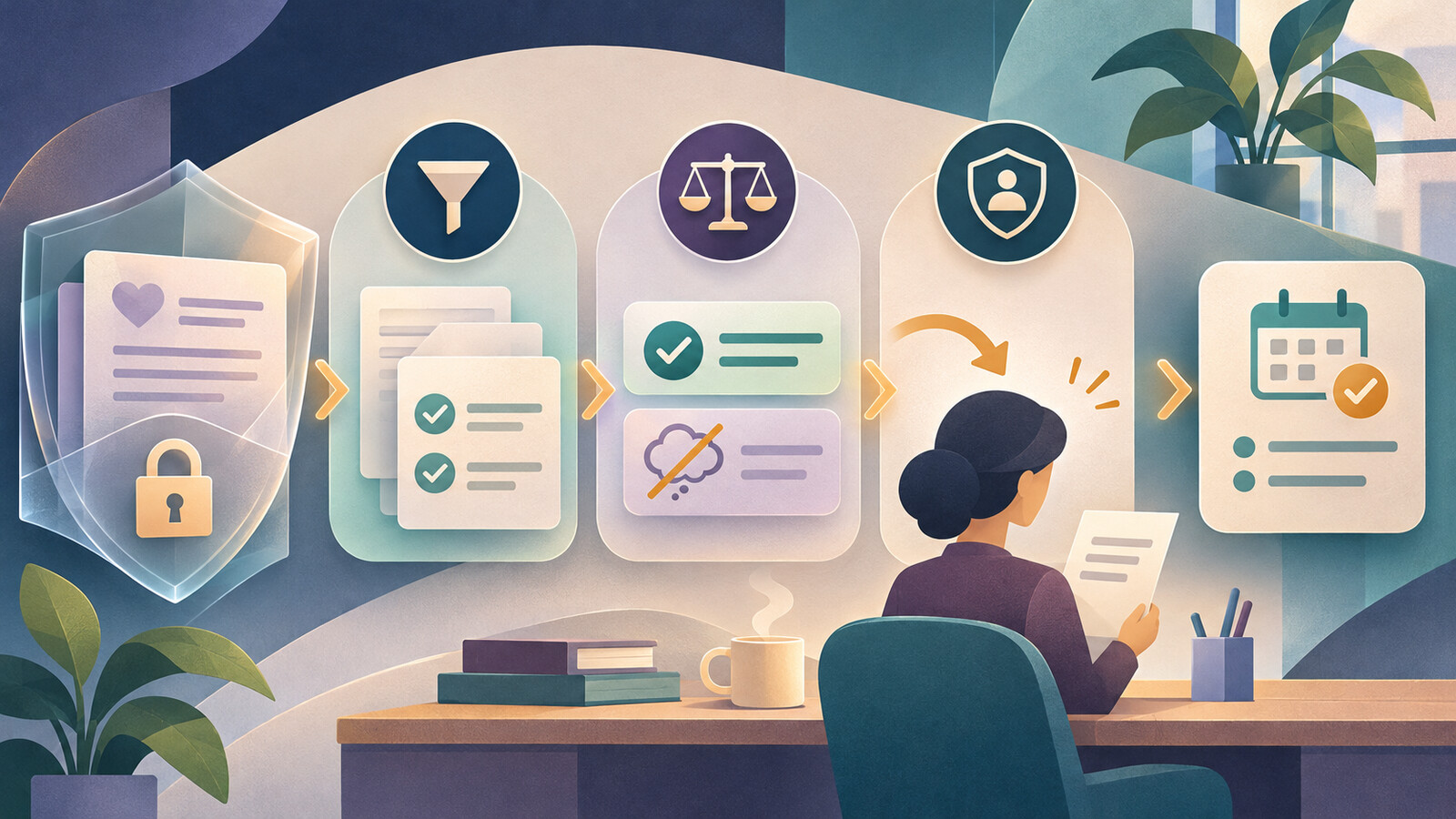
AI Training for HR: Keep Health Inference Out of Absence Summaries
Train HR teams to produce a minimal operational absence summary without exposing health details, inventing causes or letting AI make a people decision.
Allocate AI Licences to Task-Ready Work, Not Waiting Lists
Use four readiness gates to allocate scarce AI access to work with an approved input, clear outcome, review owner and support route.
AI Skills for Employees: Calibrate Confidence Before Checking
Train employees to record confidence before AI advice, verify the decisive claim and learn from the gap between prediction and evidence.