

AI Training for Employees: Map Existing Practice First
Before choosing AI training for employees, map one real practice. Preserve what works, target the gap and fix barriers that content cannot solve.

AI training for employees often begins with a blank-slate assumption: choose a curriculum, invite the workforce and teach everyone the same foundations. Real organisations rarely start there. Some employees already use approved AI tools every day. Others have experimented informally, copied a colleague’s method or avoided the tools altogether. Their practices may include useful judgement, hidden workarounds, unsafe inputs, strong checks or no checks at all. If training ignores that starting reality, it can bore experienced users, overwhelm beginners and preserve the riskiest habits beneath a new completion record.
The better first move is a practice map. Observe a small, safe example of what people already do, separate skill from luck and use the evidence to choose the next learning action. This search-intent guide is for HR, L&D and team leaders comparing AI training for employees or AI upskilling for teams. Its answer is specific: map current practice before you finalise the programme.
AI training for employees should start with existing practice
The UK’s 2026 employer guide on AI upskilling says practical training should recognise and build on informal or self-taught AI use. It also recommends work-relevant scenarios, clear guidance on when AI should and should not be used, protected time, flexible access and sustainable refresh. The European Commission’s AI-literacy Q&A similarly says organisations should consider people’s knowledge, experience, education, training and the context in which systems are used. Neither source supports a one-size-fits-all feature tour.
A practice map is not covert monitoring and it is not a ranking of employees. It is a small, transparent design exercise. Use synthetic, public or explicitly approved material. Tell people what is observed, why it matters and who will see the result. Focus on a work behaviour—not prompt style, tool enthusiasm or chat volume.
The PREP practice map
P — Practice
What task is the employee trying to complete, with which approved tool, inputs and work context? Describe actions, not a confidence label.
R — Result
What artefact or decision emerges, and what existing quality standard should it meet? A fluent draft is not automatically a useful result.
E — Evidence
What sources, checks, corrections and reasons show that the result is trustworthy enough for its intended use?
P — Permission
What may the employee decide, what needs review, what data is prohibited and where should uncertainty be escalated?
Turn the map into a training decision
| What you observe | Useful training response | |
|---|---|---|
| Good result, weak evidence | The output looks right but sources and checks are invisible | Practise traceability, omission checks and review hand-offs |
| Safe process, poor task fit | The employee follows rules but chooses work where AI adds little value | Practise use-case selection and a clear non-AI route |
| Strong self-taught method | The method transfers to a fresh example and meets the standard | Validate it, document the boundary and give a harder role-relevant task |
| Tool or access barrier | The learner cannot reach the approved account, format or support route | Fix access or workflow conditions before adding content |
| Unclear permission | Nobody agrees who may approve, send or act | Clarify authority and escalation; training alone cannot repair the gap |
This conversion step prevents a common mistake: treating every observed problem as a knowledge deficit. Sometimes the person needs practice. Sometimes the instructions, access, source material, review capacity or decision rights are the real constraint. A useful map changes the intervention.
Reading is a start. Practice makes it stick.
Start learningWorked example: five analysts, one reporting task
A fictional operations team wants five analysts to use an approved AI tool for monthly exception summaries. L&D could assign the same introductory course to all five. Instead, it provides a synthetic source pack containing routine events, one conflicting date and one unresolved owner. Everyone receives the same work outcome: produce a short summary that separates facts, conflicts and open questions.
What the practice map reveals
- 1
Two analysts show reliable practice
They isolate the conflict, cite the relevant records and mark the owner as unresolved. Their next step is not another foundation module; it is a more complex transfer task.
- 2
One produces polished but unsupported work
The result reads well, but the conflict disappears. The learning need is evidence tracing and explicit uncertainty, not general prompting.
- 3
One refuses the task
The analyst believes the synthetic pack may not be entered into the approved tool. The issue is ambiguous guidance. L&D routes the question to the tool owner before judging skill.
- 4
One cannot start
The account is not provisioned. The action is access repair, then a fresh attempt—not a reminder to complete training.
The programme now has four different next actions from one ten-minute observation: advance, practise a specific check, clarify the boundary and fix access. That is more useful than one average baseline score or a catalogue chosen before the work is seen.
Keep the map fair and small
Keep the practice map fair: use an ordinary low-consequence task with synthetic or approved material; publish the quality bar and permitted tool; allow accessibility adjustments; collect only the evidence needed to choose support; separate learning evidence from performance decisions; let employees explain their method; and retest the same behaviour on a fresh case after support.
- Name one repeated task and the normal quality standard.
- Create a short synthetic input with one missing or conflicting detail.
- Ask the employee to complete or explain the task with an approved tool.
- Record PREP: practice, result, evidence and permission.
- Choose one next action: advance, targeted practice, guidance repair, access fix or escalation.
- Schedule a fresh example to confirm that the change transfers.
Build the wider pathway with related Bokili guides. Use the three-task baseline when you need a broader starting diagnostic: https://bokili.com/en/learn/ai-training-employees-three-task-baseline. Turn the observed gap into a fair goal: https://bokili.com/en/learn/ai-skills-for-employees-development-goal. Then test one behaviour in fresh work: https://bokili.com/en/learn/ai-training-effectiveness-work-transfer. Bokili’s practical company programme is available at https://bokili.com/en/for-hr.
Choose training from evidence, not assumptions
Employees do not arrive as identical beginners. Their current practice is part of the training context: it may contain capability worth preserving, risk that needs correction or an operational barrier that content cannot solve. A small practice map makes those differences visible without turning learning into surveillance. Observe one task, use PREP to interpret it and select the smallest action that improves safe work. That is a stronger foundation for AI training for employees than starting with the same course for everyone.
Practise this in Bokili
Turn what you just read into a ten-minute mission.
- Start learning
Map one existing AI practice
Observe a safe work example and record the practice, result, evidence and permission before selecting training.
- Start learning
Choose the next learning action
Advance, target one skill, repair guidance, fix access or escalate based on the practice map.
Sources
- Employer guide: What works for AI upskilling in the UK — UK Government and Skills England
- AI Literacy – Questions & Answers — European Commission
- AI Use Taxonomy: A Human-Centered Approach — NIST
- AI training for HR & L&D leaders — Bokili
Reading is a start. Practice makes it stick.
Bokili turns skills like this into ten-minute missions for your whole team, with instant feedback and progress you can see.
Start learningKeep reading
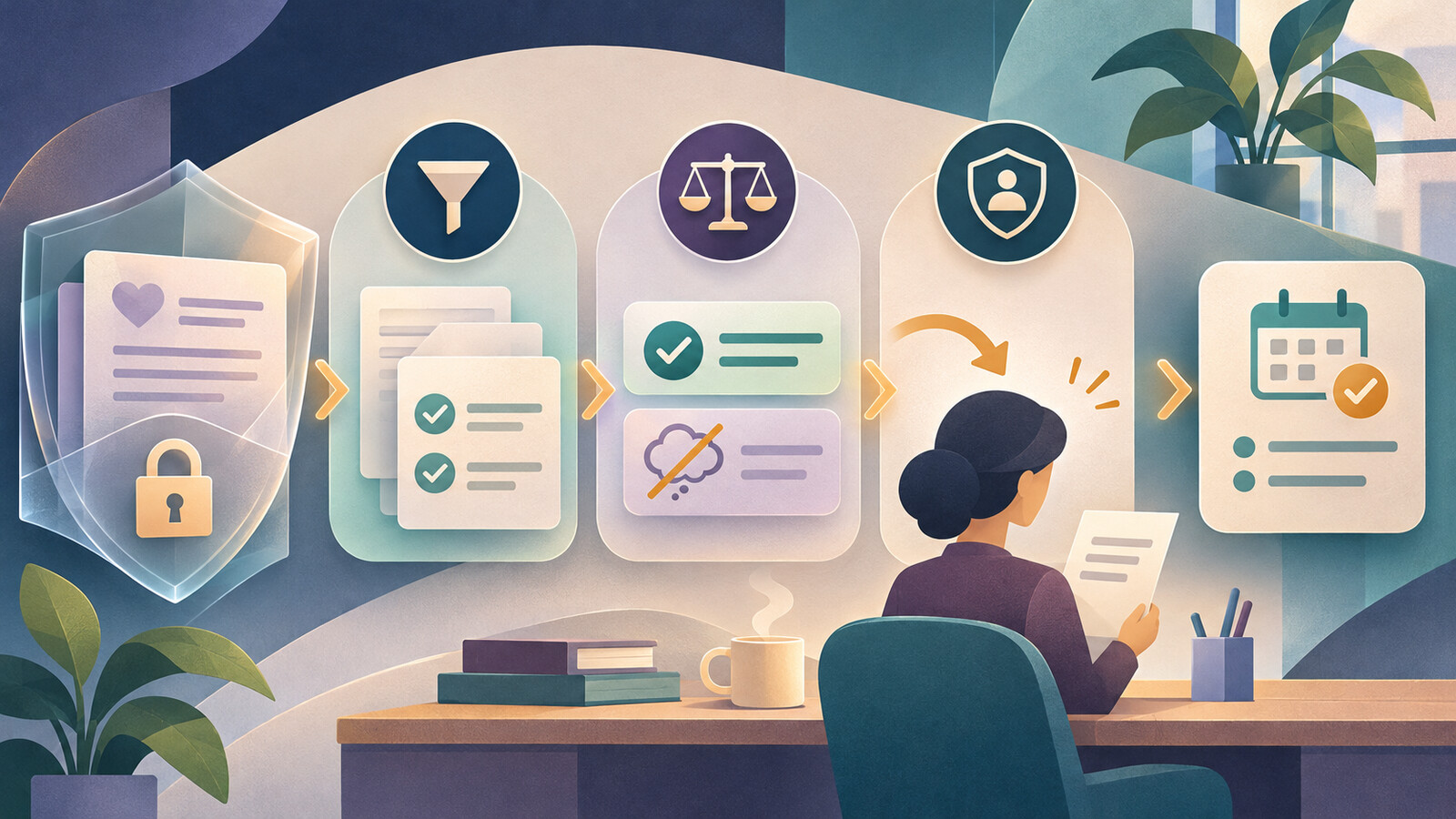
AI Training for HR: Keep Health Inference Out of Absence Summaries
Train HR teams to produce a minimal operational absence summary without exposing health details, inventing causes or letting AI make a people decision.
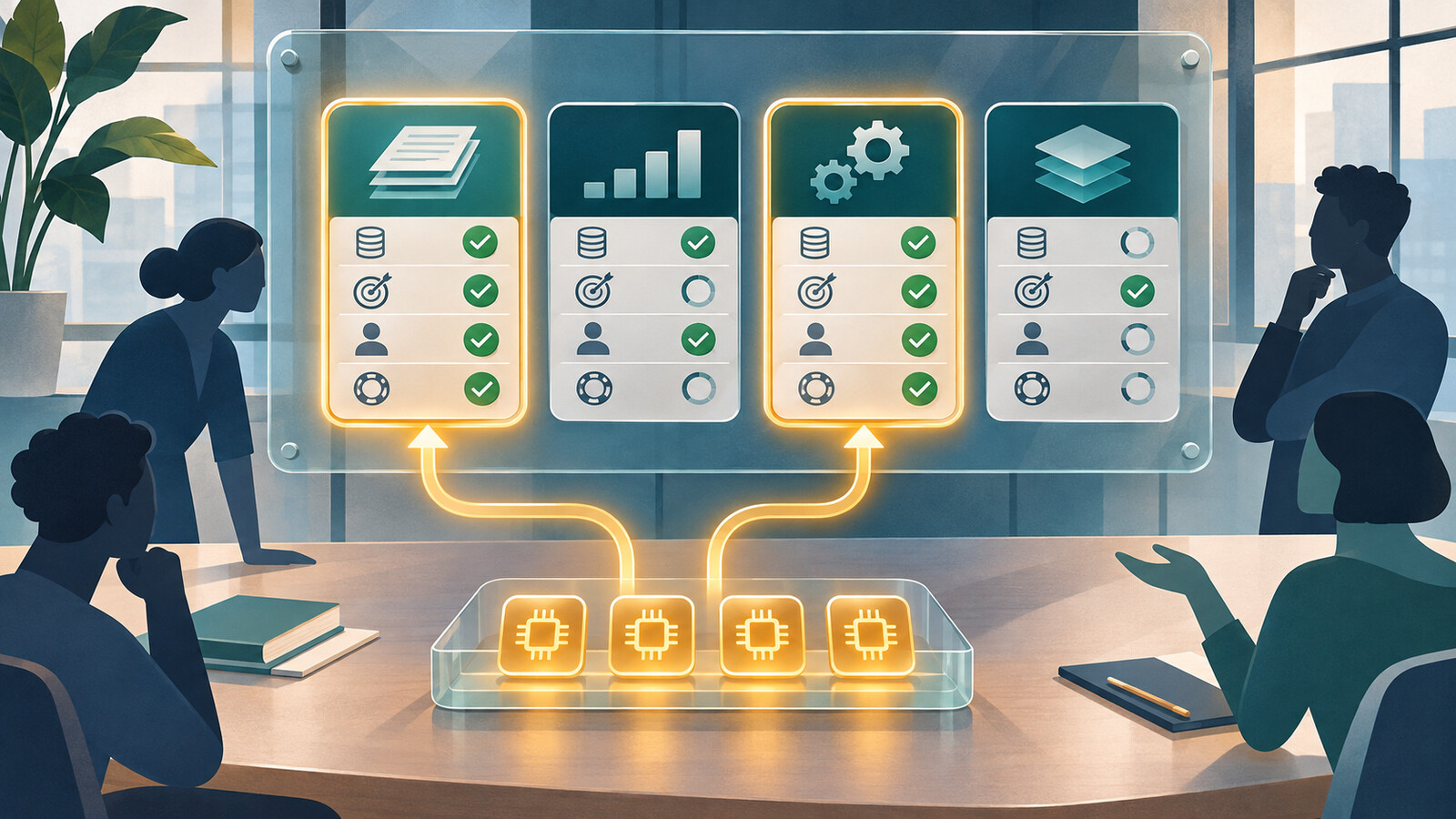
Allocate AI Licences to Task-Ready Work, Not Waiting Lists
Use four readiness gates to allocate scarce AI access to work with an approved input, clear outcome, review owner and support route.
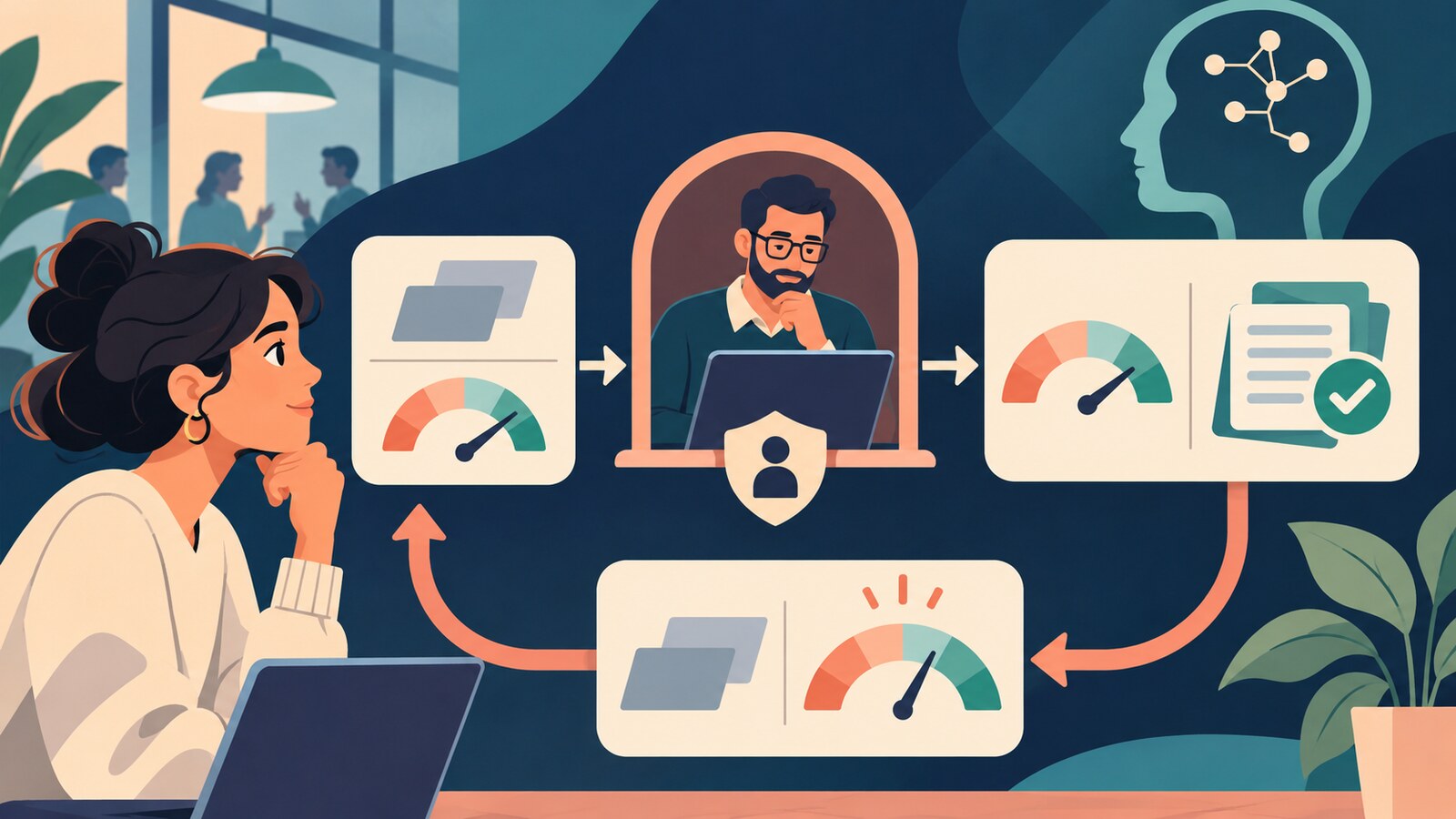
AI Skills for Employees: Calibrate Confidence Before Checking
Train employees to record confidence before AI advice, verify the decisive claim and learn from the gap between prediction and evidence.